Building a custom home in the Bay Area costs more than building almost anywhere else in the country, but if you’ve already looked at what a custom build actually costs here, you know the total isn’t fixed the moment you sign a contract. A lot of the biggest savings come from decisions made early, before construction starts, rather than from cutting corners once the build is underway. Here are ten places where buyers actually move the needle on cost.
1. Choose a Lot That Doesn’t Fight You
Grading, retaining walls, extended utility runs, and soil work can add tens of thousands of dollars before framing even begins. A lot that’s relatively level, already served by nearby utilities, and free of major drainage issues costs more upfront in some cases, but it often comes out cheaper once site work is factored in. Weigh site costs alongside the purchase price, not after it.
2. Keep the Footprint and Roofline Efficient
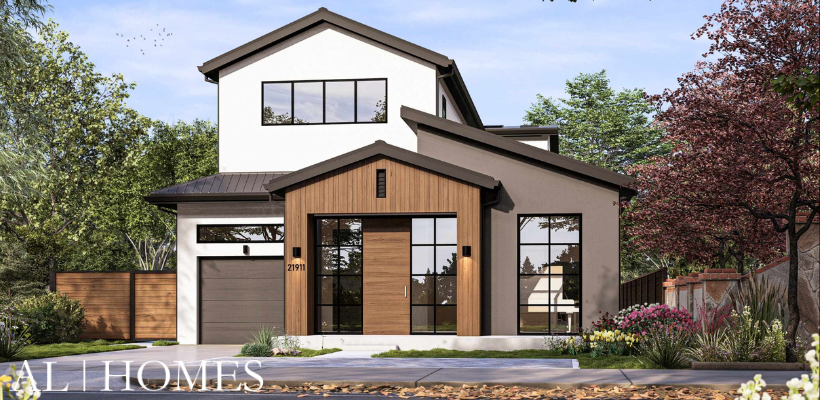
A simple rectangular or lightly articulated footprint costs less to frame than a home with the same square footage broken into wings, jogs, and multiple roof pitches. This doesn’t mean a plain house. It means putting complexity where it’s visible and valuable, like a great room or a covered entry, rather than spreading it evenly across the whole structure.
3. Set Your Contingency Reserve Before You Finalize Design
Most construction loans require a contingency reserve on top of your stated budget, typically 5 to 10%, exactly because construction costs move. Locking in your budget and contingency early, before finishing details are chosen, keeps you from discovering the gap between what you want and what you can afford midway through design.
4. Spend Where It Shows, Save Where It Doesn’t
Kitchen counters, primary bath finishes, and flooring in main living areas get noticed. Closet organization systems, secondary bath finishes, and utility room details usually don’t. Allocating budget unevenly across the home, rather than spreading it flat across every room, stretches the same total further without anyone noticing where you saved.
5. Limit Change Orders Once Construction Starts
A change order, any formal adjustment to the original scope or budget after construction begins, almost always costs more than the same decision made during design. Materials get reordered, schedules shift, and labor gets pulled off other tasks to accommodate the change. Making finish and layout decisions before groundbreaking is one of the most reliable ways to avoid this.
6. Compare Builders on More Than the Bottom-Line Number
The lowest bid isn’t always the cheapest outcome. A builder without a strong track record can end up costing more through delays, change orders, or work that needs to be redone. Weigh the total bid against the builder’s history of finishing similar projects on budget, not just the number on the page.
7. Time Discretionary Purchases Around Sales Cycles
Appliances, lighting fixtures, and plumbing fixtures often go on sale around predictable periods, like major shopping holidays or end-of-model-year clearances. If your timeline has any flexibility on when these get selected and ordered, timing these purchases can add up to meaningful savings without changing what you actually get.
8. Structure Your Financing to Avoid a Second Closing
Getting your overall financing plan right matters as much as any design decision. A construction-to-permanent loan closes once and converts automatically into your mortgage, compared to a standalone construction loan that requires refinancing, and paying a second round of closing costs, once the build is done. For most Bay Area custom builds, that structure alone saves real money before a single design decision is made.
9. Ask About Off-Peak Scheduling
Subcontractor availability and pricing can shift with seasonal demand in the Bay Area. If your timeline allows some flexibility on a start date, it’s worth asking your builder whether scheduling around a slower season affects pricing or subcontractor availability. This varies by trade and by year, so treat it as a question to ask rather than a guaranteed discount.
10. Build with One Team Instead of Three
Coordinating a lender, an architect, and a contractor who’ve never worked together often creates its own cost, in miscommunication, rework, and change orders that come from misaligned expectations between parties. AL Homes handles land, design, and construction in-house, which removes a layer of coordination cost that shows up on projects split across separate firms.
If you’re weighing these against a specific lot, it’s worth browsing available lots and homes to see how site conditions and location affect your starting budget before you finalize design decisions.
Frequently Asked Questions
Which of these makes the biggest difference in the Bay Area specifically?
Which of these makes the biggest difference in the Bay Area specifically?
Lot selection and site costs tend to have the widest range of outcomes locally, since grading, soil conditions, and utility access vary significantly between neighboring parcels in hillside and infill areas common across the region.
Does saving money mean sacrificing quality?
Does saving money mean sacrificing quality?
Not necessarily. Most of these are sequencing and planning decisions made before or during design, not material downgrades. The goal is spending intentionally, not spending less on everything.
When should I start thinking about these trade-offs?
When should I start thinking about these trade-offs?
As early as possible, ideally before you’ve committed to a lot or a floor plan. Several of these, like lot selection and financing structure, are far harder to adjust once a project is underway.
Build Smarter with Silicon Valley’s Custom Home Builder
Cost control starts with the decisions made before construction, not during it. Talk to the AL Homes team about your project, or explore available lots and homes to see what fits your budget.