Buying a home in the Bay Area might be one of the hardest financial decisions you’ll ever face. Home prices are high, mortgage rates are still elevated, and the process feels exhausting before you even begin. It’s completely reasonable to wonder if purchasing here is actually worth it.
But the question isn’t whether Bay Area real estate is expensive; it clearly is. The real question is whether owning makes sense for you, given your timeline, income, and long-term goals. This guide gives you a data-backed, honest answer.
By the end, you’ll understand:
- Why long-term buyers have consistently built wealth in Silicon Valley
- What the real numbers say about Bay Area home prices in 2026
- How the rent vs. buy gap plays out over time
- Why new construction changes the equation for today’s buyers
- What income and down payment you realistically need to get started
Buying A Home in the Bay Area is A Long-Term Win
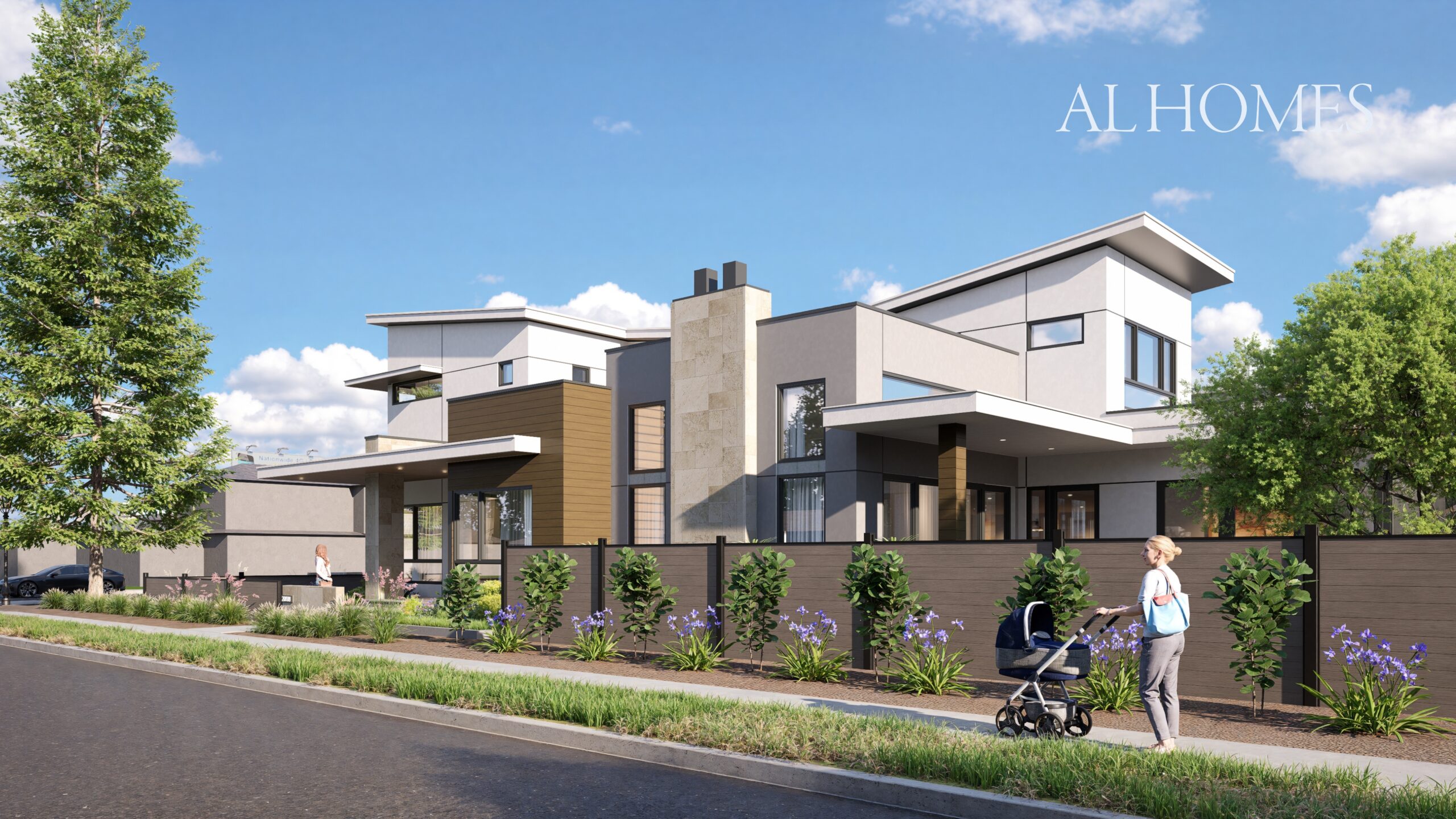
The Bay Area real estate market rewards patient buyers. Despite periodic corrections, home values across Silicon Valley have climbed steadily over the decades. For buyers with the right timeline, owning here remains one of the strongest wealth-building moves available.
Appreciation has rewarded patience consistently
The long-term track record of Bay Area real estate speaks for itself. High-end Bay Area home prices are up 9.9% year over year. San Jose alone hit 12.8% appreciation at the luxury end. Even during broader market normalization, Silicon Valley continues to outperform.
Buyers who purchased property here and held on have seen their assets grow significantly, often doubling in value over decades.
Tech sector demand keeps putting upward pressure on prices. Companies like Google, Apple, Nvidia, and Meta anchor Silicon Valley’s economy. They attract high-earning professionals who need housing. That consistent demand creates a floor under property values that most other cities simply don’t have.
Chronic supply shortage protects values
Low inventory is one of the defining features of the SF Bay Area housing market. It’s also one of the strongest arguments for buying sooner rather than later.
Santa Clara County’s Unsold Inventory Index sits at just 1.0 month. Homes there sell in an average of only 14 days. A balanced market typically requires five to six months of supply. The Bay Area is nowhere close.
The region carries just 2.2 months of inventory overall, compared to the statewide 3.2 months. Geographic constraints make meaningful new development nearly impossible. Strict zoning and slow permitting push supply relief years away.
For buyers, this means price dips in Silicon Valley tend to be corrections, not crashes.
Ownership gives stability that the rental market can’t match
Renting in the Bay Area has never felt more unstable. Bay Area families face lease non-renewals, landlord buyouts, and unpredictable rent hikes. Homeownership removes all of that uncertainty. Consider what owning actually gives you:
- A fixed mortgage payment that doesn’t rise with the market
- Protection from displacement; no landlord can uproot your family
- Access to top school districts is tied to your primary residence
- The freedom to customize your space and put down real roots
- Equity that builds automatically with every mortgage payment
San Francisco rents rose 5.1% year over year. Some Bay Area suburbs saw increases as high as 30%. Renting is not a fixed cost. Over four years, those increases compound into a significant financial loss: money paid toward someone else’s wealth, not your own.
The Honest Reality of Bay Area Home Prices in 2026
Understanding the Bay Area housing market means looking at the real numbers, not just headlines. Yes, prices are high. But the full picture is more nuanced than most people realize. Knowing what you’re actually dealing with helps you make a smarter decision.
What the numbers actually say
Home prices across the SF Bay Area vary widely by city and property type. Here’s where the market stands in 2026, according to Norada Real Estate:
- Santa Clara County median home price: $1.6M
- San Jose median sale price: $1.3M, with homes selling in just 12 days
- Palo Alto and Cupertino single-family homes: regularly trading above $2M
- San Mateo County median: $2,058,000, up 11.6% year over year
- San Francisco County median: $1,697,500, up 10.9% year over year
Generally speaking, the market is normalizing, not crashing. Price dips in some pockets reflect seasonal correction, not structural decline. For long-term buyers, that distinction matters a great deal.
The rent vs. buy gap is real but incomplete
The monthly cost gap between renting and buying is real. It’s also one of the most misunderstood figures in this market. According to a Bankrate study, here’s what buyers and renters are paying monthly:’
- San Francisco: avg. mortgage $8,882/mo vs. avg. rent $3,055/mo – a 190% gap
- San Jose: avg. mortgage $9,438/mo vs. avg. rent $3,305/mo – a 185% gap
But renting is not a fixed cost. According to market data, San Francisco rents rose 5.1% year over year, and some Bay Area suburbs saw increases as high as 30%. Over time, a fixed mortgage payment becomes increasingly competitive against rising rent.
Buyers who purchased four years ago pay the same mortgage today. Renters in the same city are paying significantly more, and building zero equity in the process.
Buying vs. Renting: What’s the Best Option for You?
There’s no single right answer to the rent vs. buy debate in the Bay Area. The best move depends on your timeline, finances, and life goals. Here’s an honest breakdown to help you decide.
Buying makes sense if…
Purchasing a home in Silicon Valley is a strong move for the right buyer. You’re likely ready if:
- You plan to stay 7+ years – the typical break-even horizon in most Bay Area markets
- You have a stable, high household income in tech, healthcare, or finance
- You have savings for a down payment – 20% preferred, but some loans allow 10%
- You want protection from rising rents and housing instability
- You’re building generational wealth in one of the country’s top appreciating markets
- You’re establishing a primary residence in a top school district
- You’re a green card holder or citizen with strong credit and stable employment
Every mortgage payment builds equity. Every year of ownership moves you further ahead of renters paying more for the same city.
Renting may make more sense if…
Renting makes sense in specific circumstances. Stay in the rental market if:
- Your timeline is under 5 years due to potential relocation or career changes
- You’re not yet financially ready for a down payment plus closing costs
- You hold a rent-controlled unit in a desirable area
- Your household size or income isn’t yet stable enough to commit long-term
Even renters with good deals today face an uncertain future. Renting costs less month to month, but it builds no equity and offers no protection from the Bay Area’s long-term housing crisis.
Why New Construction Changes the Equation
Most articles about buying in the Bay Area focus on the resale market. That’s a mistake. New construction homes in Silicon Valley offer a fundamentally different buying experience, and for many buyers, a smarter one. This is the part of the equation most competitors won’t tell you about.
Old homes vs. new: the hidden cost gap
The Bay Area’s resale housing stock is aging. Most single-family homes across San Jose, Oakland, and surrounding cities were built between the 1940s and 1970s. That means older foundations, outdated electrical systems, aging plumbing, and decades of deferred maintenance. All of which becomes your problem at closing.
The true cost of a resale home goes well beyond the purchase price. Buyers should expect:
- $100,000–$300,000 for a full-scale renovation of a smaller to mid-sized resale home
- $300,000+ for structural changes, luxury upgrades, or extensive reconfigurations
- Outdated systems that fail California’s current energy efficiency standards
- No warranty coverage; repairs come entirely out of pocket
- Bidding wars, as-is contingencies, and competing offers are driving prices higher
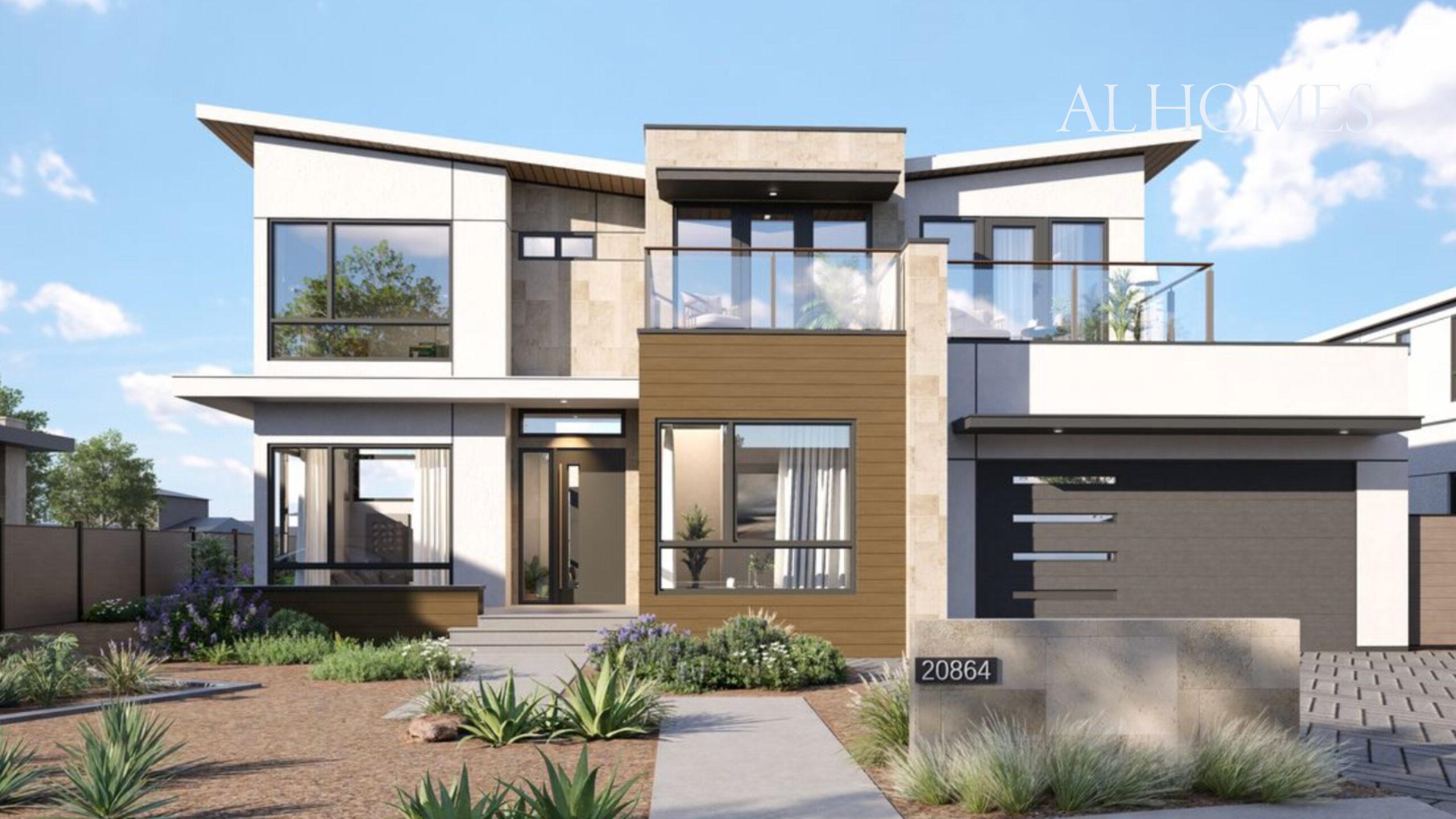
New construction homes eliminate all of that. They’re move-in ready, built to current California energy codes, and covered by a builder’s warranty from day one. Lower utility bills start immediately. There are no bidding wars and no surprise costs after closing.
If you’re weighing new construction as an alternative, our guide covers how much it costs to build a house in California
AL Homes makes the process manageable
Buying new construction in the Bay Area can still feel overwhelming, unless you have the right partner.
AL Homes is a fully vertically integrated builder backed by AlphaX RE Capital. One company handles everything: land acquisition, design, construction, and property management.
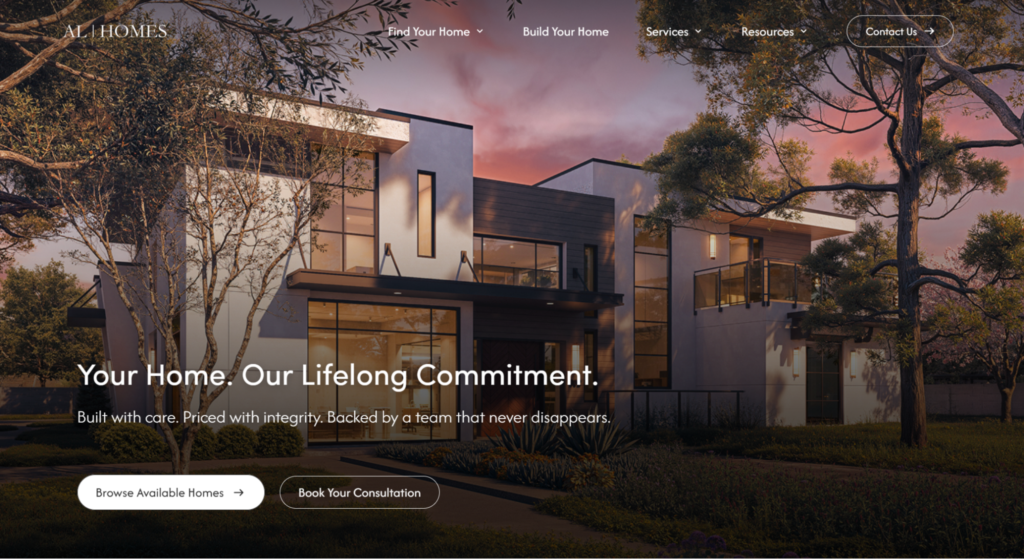
There’s no juggling multiple vendors or guessing about timelines. AL Homes uses local Bay Area trades exclusively: professionals who understand seismic requirements, soil conditions, and the permitting process. And unlike many builders, AL Homes doesn’t disappear after closing. Post-construction support is part of the commitment.
Explore Available AL Homes Properties →
New to the process? Read our First-Time Home Buyer’s Guide to New Construction in the Bay Area to get started.
A Realistic View of What You Need to Afford It
Let’s talk numbers honestly. Buying a home in the Bay Area requires serious financial preparation. Knowing exactly what you need helps you plan with confidence.
Income, down payment, and mortgage reality
The cost of entry into the Bay Area real estate market is high. According to Silicon Valley News, here’s what buyers need to earn to afford a median-priced home:
- San Jose metro: approx. $370,000 annual household income
- San Francisco metro: approx. $263,000 annual household income
- Both figures assume a 20% down payment and a 30-year fixed mortgage
That said, 20% down isn’t the only path. According to BP Fund, several loan programs allow buyers to put down far less:
- FHA loans: as low as 3.5% down
- Conventional loans: as low as 3% down on qualifying properties
- VA loans: zero down for eligible military members and veterans
- CalHFA: down payment assistance of 3.5%-10% for qualifying first-time buyers
According to Norada Real Estate, 30-year fixed mortgage rates are expected to average in the low-6% range through 2026. Even a modest rate drop meaningfully reduces monthly payments on a Bay Area property.
Is Buying A Home in the Bay Area Worth It?
The honest answer is: it depends, but for the right buyer, yes. The Bay Area real estate market is expensive, competitive, and complex. But for buyers with a 7+ year horizon and the right financial foundation, owning here remains one of the most reliable wealth-building decisions available.
New construction cuts through the noise. No bidding wars, no surprise repairs, no outdated systems. And with a partner like AL Homes handling every step, from land to keys to lifelong support, the process becomes far more manageable than going it alone. If you’re ready to explore what’s possible, browse available AL Homes communities or view our Silicon Valley projects. There’s no better market to build lasting wealth and put down real roots.
Schedule a Free Consultation With AL Homes →
FAQs on Buying A Home in Bay Area
Is it cheaper to rent or buy in the Bay Area?
Renting costs less monthly. But rent rises every year, builds no equity, and offers no stability. Buying wins long-term for anyone staying 7+ years.
How much do you need to make to afford a home in the Bay Area?
Buyers need roughly $370,000/year in the San Jose metro and $263,000/year in San Francisco, assuming 20% down.
Will Bay Area home prices drop in 2026?
A major crash is unlikely. Inventory remains critically low, and demand stays strong. Most forecasts point to modest price stability or slight gains through 2026.
Is buying a new construction home in the Bay Area a good investment?
Yes. New construction is move-in ready, warranty-covered, and built to current energy codes, with no hidden repair costs or bidding wars.
What are the biggest challenges of buying a home in Silicon Valley?
High home prices, limited inventory, elevated mortgage rates, and a complex purchasing process are the biggest hurdles for most buyers in this market.