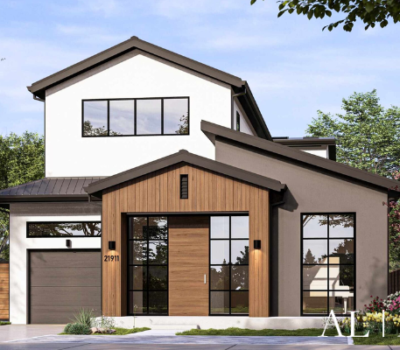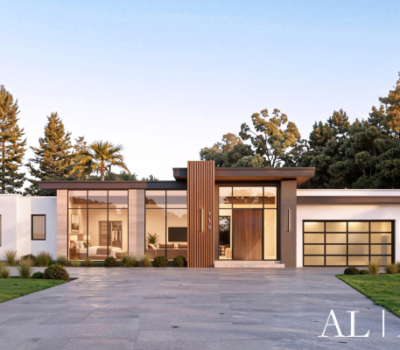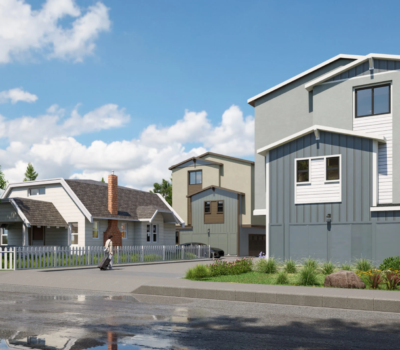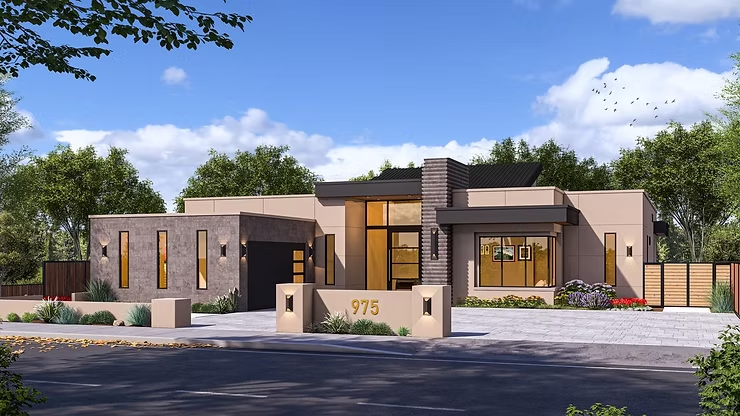
The question most Bay Area buyers are actually asking isn’t “can I afford to build.” It’s whether building makes more sense than competing for a limited supply of older resale homes, often in multiple-offer situations, in a market where inventory rarely sits long enough to negotiate.
Quick answer: For many Bay Area buyers, yes. Resale inventory here is thin and bidding wars are common, so building gets you exactly what you want without competing for scarce existing homes. The trade-off is time: building takes longer than buying something that’s already move-in ready.
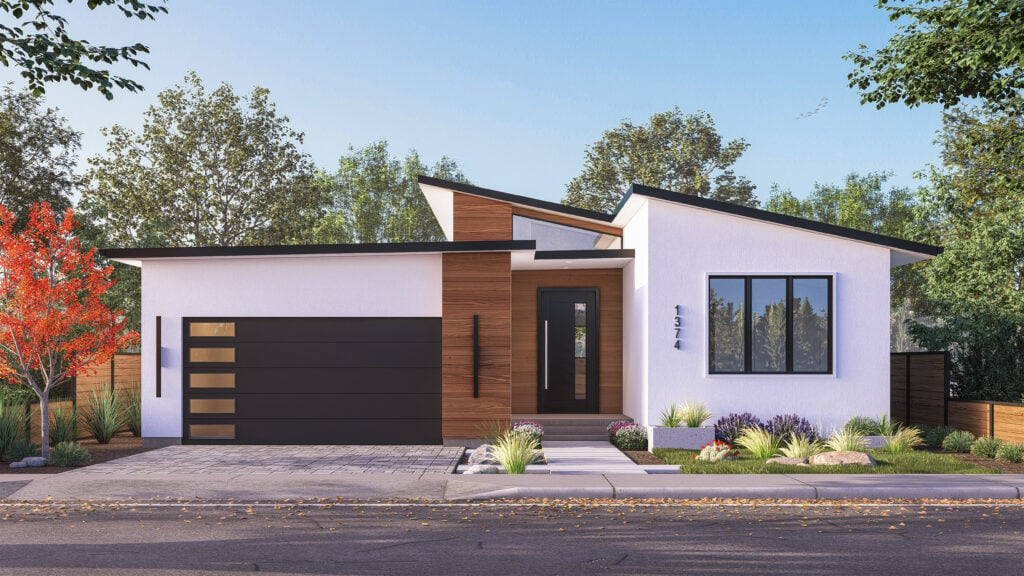
What “Worth It” Actually Depends On
There isn’t a universal yes or no here, because “worth it” means something different depending on what you’re optimizing for. If your top priority is moving in as fast as possible, resale usually wins by default. If your priority is getting a floor plan, lot, and finish level you actually want rather than the closest available match, building tends to win, even with the longer timeline factored in.
The Cost Comparison Bay Area Buyers Actually Face
Cost comparisons between building and buying resale get complicated fast, since resale prices in competitive Bay Area neighborhoods often climb well above asking price in a bidding war, while how much it costs to build a custom home in California is tied to a fixed budget rather than a listing price that can move. Whether new construction homes are actually cheaper than resale depends more on your specific numbers than any general rule.
The Timeline Trade-off
A custom build typically runs 12 to 18 months from groundbreaking to move-in, on top of however long it takes to find a lot and finalize design. That’s a real trade-off against a resale purchase that can close in 30 to 45 days. Buyers who accept the longer timeline usually do it because the alternative, spending months competing for and eventually settling on an existing home, isn’t actually faster in practice, just less predictable.
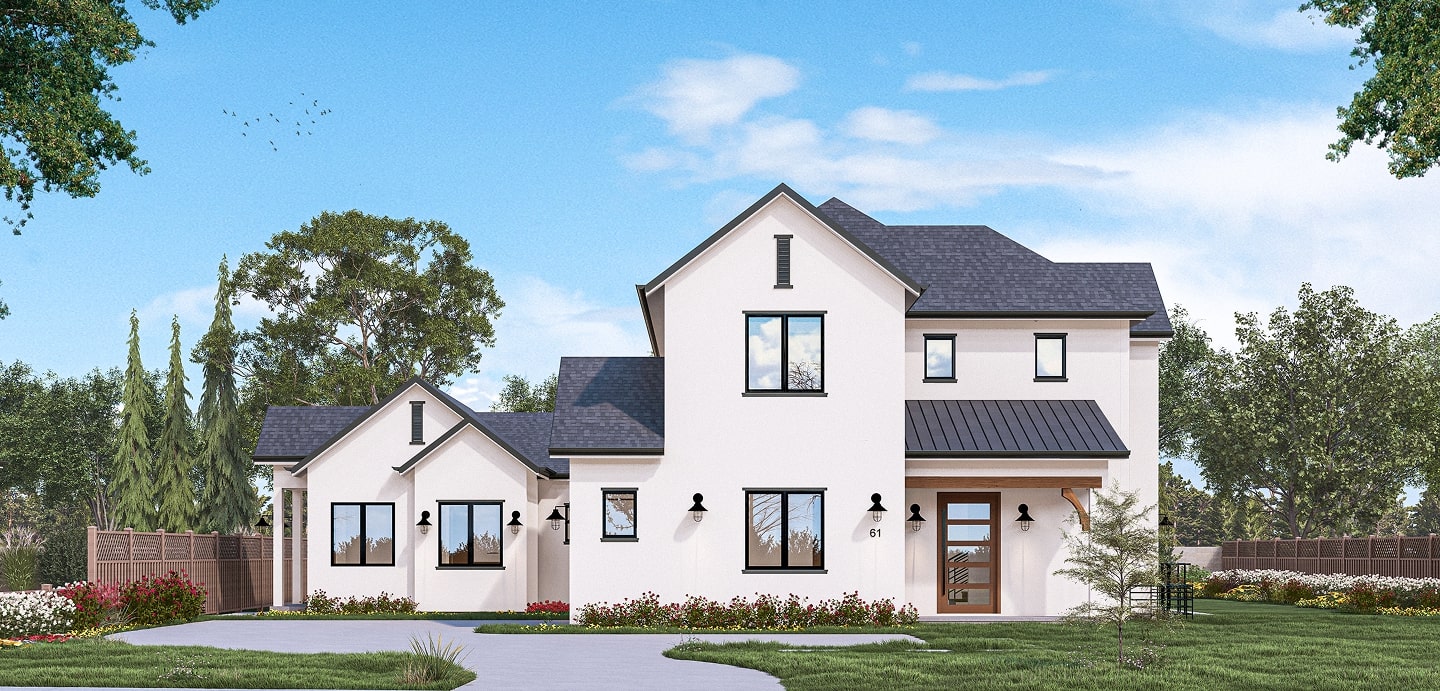
What You Get With New Construction That Resale Doesn’t Offer
A newly built home comes without deferred maintenance, aging systems, or a previous owner’s renovation choices baked into the layout. Energy efficiency standards for new construction are also meaningfully higher than most existing Bay Area housing stock, which shows up in ongoing utility costs. And because you’re designing the home rather than inheriting someone else’s floor plan, you get to prioritize the rooms and features that actually matter to how you live, not just whatever compromise was available on the market that week.
Why Bay Area Inventory Makes This Question Different Here
The same “build vs. buy” question plays out differently depending on the market. In areas with steady resale inventory, waiting for the right listing is a reasonable strategy. In much of Silicon Valley and the surrounding Bay Area, well-located resale homes routinely draw multiple offers within days of listing, often above asking price, which changes the calculation. Building removes you from that competition entirely. You’re not waiting for the right home to come up; you’re creating it on a timeline and budget you set.
When Resale Still Makes More Sense
Building isn’t the right answer for every buyer. If your timeline genuinely can’t stretch past a few months, or your budget doesn’t comfortably cover both land and construction costs, resale is still the more realistic path. It’s worth being honest about this trade-off early, since a build that’s rushed to meet an unrealistic timeline usually ends up costing more, not less.
If you’re weighing both paths, it helps to see what’s actually available first. Browse current lots and homes to get a realistic sense of what building would look like for your specific budget and timeline before deciding either way.
Frequently Asked Questions
Is building always more expensive than buying resale in the Bay Area?
Is building always more expensive than buying resale in the Bay Area?
Not always. Resale prices in competitive neighborhoods often climb well above asking price, while a custom build’s cost is set against a budget you control. See Are New Construction Homes Cheaper Than Resale? for the full comparison.
How much longer does building take compared to buying an existing home?
How much longer does building take compared to buying an existing home?
Plan on 12 to 18 months for construction alone, plus time upfront for lot selection and design, compared to a resale purchase that can close in 30 to 45 days.
What's the biggest advantage of building new in this market specifically?
What's the biggest advantage of building new in this market specifically?
Avoiding competition for scarce resale inventory. Instead of bidding against other buyers for a home that’s a partial match, you’re designing one that fits from the start.
Should I compare new construction to every resale listing, or just the ones I'd actually buy?
Should I compare new construction to every resale listing, or just the ones I'd actually buy?
Just the realistic ones. Comparing a custom build to a resale home you wouldn’t actually choose isn’t a fair comparison. Use the full new construction vs. resale breakdown to weigh it against homes you’d genuinely consider.
Does building give me more control over ongoing costs, not just the upfront price?
Does building give me more control over ongoing costs, not just the upfront price?
Generally, yes. Newer systems and higher energy efficiency standards tend to mean lower utility and maintenance costs over time compared to an older resale home, even when the upfront price is similar. It’s worth factoring the full cost of ownership into the comparison, not just the purchase price.
Build What Actually Fits, with Silicon Valley’s Custom Home Builder
The right answer depends on your specific budget, timeline, and priorities. Talk to the AL Homes team about your situation, or start browsing available lots and homes to see what building could look like for you.