Marketing materials and model homes tell you what a builder wants to show you. If you’re already familiar with the general home buying process in California, the questions below cover the layer specific to new construction that a standard step-by-step guide doesn’t get into, and asking them early gives you a much clearer picture than touring a finished spec home ever will.
Quick answer: The most useful questions cover four areas: what’s actually included in the price, how the builder handles money and change orders during construction, what the builder’s real track record looks like, and what happens if something goes wrong. Vague or evasive answers in any of these areas are worth paying attention to.
What’s Included in the Base Price, and What Counts as an Upgrade?
Base prices on new construction can be misleading if allowances for finishes like flooring, countertops, and fixtures are set low enough that most buyers end up paying more to get what they actually want. Ask for a detailed breakdown of what’s standard versus what’s an upgrade before comparing prices between builders.
What’s the Builder’s Track Record on Finishing Projects On Time and On Budget?
Ask for references or examples of recently completed homes, not just photos. A builder with a consistent history of finishing close to the original timeline and budget is a meaningfully different bet than one that can’t point to specific past projects.
How Is the Draw Schedule Structured, and What Triggers Each Payment?
Every construction loan releases funds in draws tied to inspected milestones, a structure we cover in more detail in Construction Loan Terms Explained. Understanding how your specific builder and lender structure this tells you how closely payments are tied to verified progress, rather than just a calendar.
What Financing Structure Does the Builder Typically Work With?
Some builders have existing relationships with lenders experienced in construction financing; others leave you to find one from scratch. This matters more than it sounds like it should, since a builder with lending relationships tends to move through underwriting faster. Our breakdown of how custom-build financing works covers what to expect either way.
Who Handles Design Changes Once Construction Starts?
Change orders, any formal change to the original scope or budget after groundbreaking, are where costs and timelines most often slip. Ask how the builder handles requested changes mid-construction, what the approval process looks like, and how pricing for a change order gets calculated.
What’s Included in the Home Warranty, and How Long Does It Last?
Warranty coverage varies significantly between builders, both in what’s covered and for how long. Get specifics on structural, systems, and workmanship coverage rather than accepting a general assurance that “everything’s covered.”
What’s the Realistic Timeline, and What Could Push It Out?
Ask for a realistic range, not just a best-case number, and ask what specifically tends to cause delays on similar projects, permitting, weather, material lead times. A builder who can name real risks candidly is generally more trustworthy than one who promises a fixed date with no caveats.
Does the Builder Help with Lot Selection, or Do I Need to Find Land First?
Some builders, including AL Homes, help buyers evaluate and secure a lot as part of the process rather than requiring land in hand before the conversation starts. If you’re still searching, browsing available lots and homes is a useful way to see what’s realistic before you’ve committed to a specific parcel.
What Happens If Costs Come In Over Budget?
Ask directly how overruns are handled: whose responsibility they are, whether a contingency reserve is built into the budget from the start, and how the builder communicates cost changes as they come up rather than after the fact. This answer tells you more about how a builder operates day to day than almost anything else on this list.
Can I See Completed Projects or Talk to Past Clients?
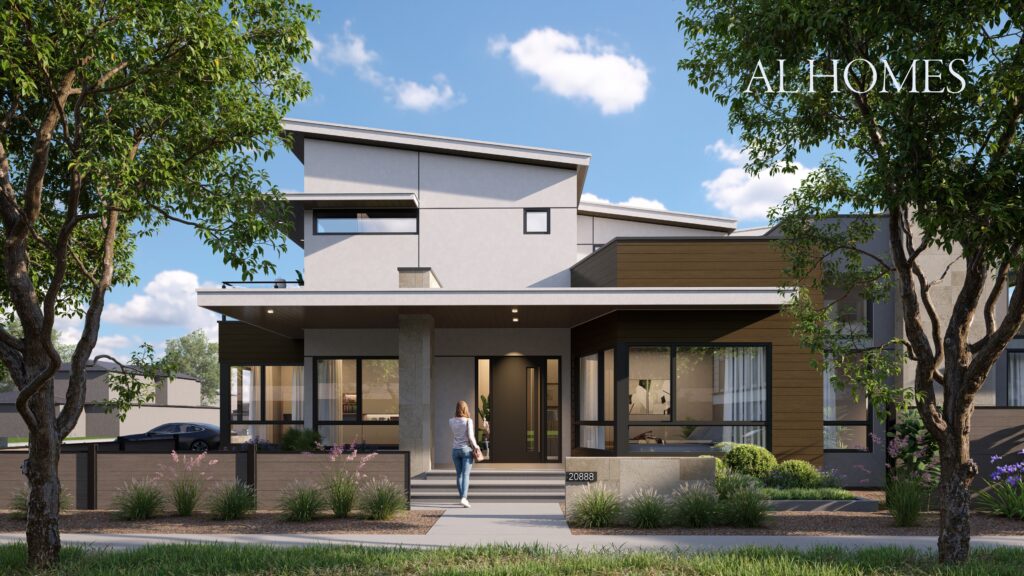
A builder confident in their work will point you to finished homes, not just renderings, and connect you with people who’ve actually gone through the process with them. Ask to see projects that are similar in scope to what you’re planning, not just their most impressive work, since a smaller or more typical project tells you more about what your own experience will look like.
What’s the Process for Selecting Finishes and Making Decisions Along the Way?
Some builders present a limited set of pre-approved options; others work with you to source and approve custom selections. Neither approach is inherently better, but knowing which one you’re signing up for ahead of time avoids frustration later if your expectations don’t match how decisions actually get made during the build.
Why It’s Worth Asking These Upfront
None of these questions are meant to catch a builder off guard. A builder worth working with should have clear, specific answers ready, since these are the same questions that come up on every project regardless of who’s asking. The buyers who run into trouble mid-build are usually the ones who assumed the answers rather than asking directly before signing anything.
Ask These Questions Before You Sign with Silicon Valley’s Custom Home Builder
The right builder answers these clearly and specifically, not with vague reassurances. Talk to the AL Homes team with your own questions, or start browsing available lots and homes to see what a real project looks like from the ground up. If you’re still narrowing down where to buy, our guides to new homes in Cupertino and new construction homes under $1.5 million in the Bay Area can help.