Losing a home to wildfire changes everything. The January 2025 fires in the Los Angeles area destroyed more than 18,000 homes and structures. One year later, fewer than a dozen had been rebuilt. For homeowners facing that road today, the process can feel overwhelming.
Wildfire risk no longer fits neatly into one season in California. That reality has homeowners across the state, including here in the Bay Area, thinking more carefully about what rebuilding actually entails.
This guide covers what Bay Area and Northern California homeowners need to know:
- First steps to take and a realistic rebuild timeline
- Permits and fire-resistant codes required in California
- What rebuilding costs, and where financial help is available
- How to decide between rebuilding and buying new
- What to look for in a trustworthy builder
Before You Rebuild: Critical First Steps For California Homeowners
Before any construction starts, a few early steps can protect your finances and your claim. These steps matter whether you lost a primary residence or a vacation property.
Document everything before anything is moved
Photograph and video your property before debris removal begins. Do this even if the damage looks total. Insurance adjusters and contractors will need this record later.
Gather your paperwork
Before you move forward, gather these documents:
- Your deed and property records
- Your current insurance policy
- Prior building permits for the home
- HOA records, if they apply
These documents establish what existed before the fire and support your rebuild plans. If you plan to use a state-managed debris removal program, check Cal OES’s Consolidated Debris Removal Program before hiring a private crew. State and federal crews cleared thousands of properties in the Eaton and Palisades fire areas at record pace, and similar coverage may be available in your area at no cost.
Contact your insurance company and know your rights
File your claim early and keep a written record of every call, email, and letter. Insurers often rely on automated tools that underestimate rebuild costs, especially in high-demand, post-disaster markets where construction prices rise quickly.
Rebuild costs in California have also risen sharply in recent years, a trend that can leave homeowners underinsured if they haven’t reviewed their policy limits recently.
California law requires insurers to offer extended replacement cost coverage, typically 125% to 150% of your dwelling limit, so it’s worth confirming this applies to your policy. If your settlement offer feels low, you have options:
- Request a detailed breakdown of how the insurer calculated your payout
- Contact the California Department of Insurance if you believe you’re underinsured
- Hire a public adjuster or attorney to review your claim
Public adjusters typically charge a percentage of your settlement, so understand those fees before signing anything.
Understanding The Real Rebuild Timeline
A realistic end-to-end timeline, from lot clearance to move-in, runs 18 to 36 months, with variability depending on your specific situation. This range covers the full process, not just active construction.
Here’s what that timeline typically includes:
- Debris removal and site clearance
- Insurance settlement and financial planning
- Design and architectural plans
- Permitting and code compliance review
- Active construction
- Final inspections and move-in
Under California’s AB 2234, effective 2024, building departments must acknowledge a residential permit application as complete within 15 business days and complete plan review within 30 business days for projects of 25 units or fewer.
In practice, Bay Area building permit timelines range from same-day for simple over-the-counter permits to 16 weeks or more for new custom homes. Rebuilds often fall on the longer end due to fire-zone compliance review.
What slows rebuilds down in California
Several factors commonly extend rebuild timelines beyond initial estimates:
- Permitting backlogs in high-demand areas
- Insurance disputes and delayed reimbursements
- Contractor and labor shortages
- Long lead times for fire-resistant materials
- Code compliance reviews in wildland-urban interface zones
Submitting a complete, code-compliant application on the first attempt is one of the most effective ways to reduce permit processing time, since correction cycles can add weeks or months to a project.
Permits, Codes, and What California Requires
Rebuilding after a wildfire means meeting California’s current building and fire codes, not simply restoring what was there before. Understanding these requirements upfront helps you budget and plan realistically.
You need a permit, even to rebuild the same home
Old permits and plans don’t carry over.
- Under AB 2234, departments must confirm your application is complete within 15 business days and finish plan review within 30 business days
- Review speed varies by city, so check with your local building department early
Fire-resistant building requirements in California
As of January 1, 2026, these rules moved from Building Code Chapter 7A into the new California Wildland-Urban Interface Code, Title 24 Part 7. The requirements stayed largely the same.
Homes in fire hazard zones must have:
- Class A fire-rated roofing
- Ember-resistant vents
- Dual-pane, tempered glazing
- Non-combustible gutters with covers
Separately, AB 3074 requires an ember-resistant 5-foot zone around the structure, known as Zone 0.
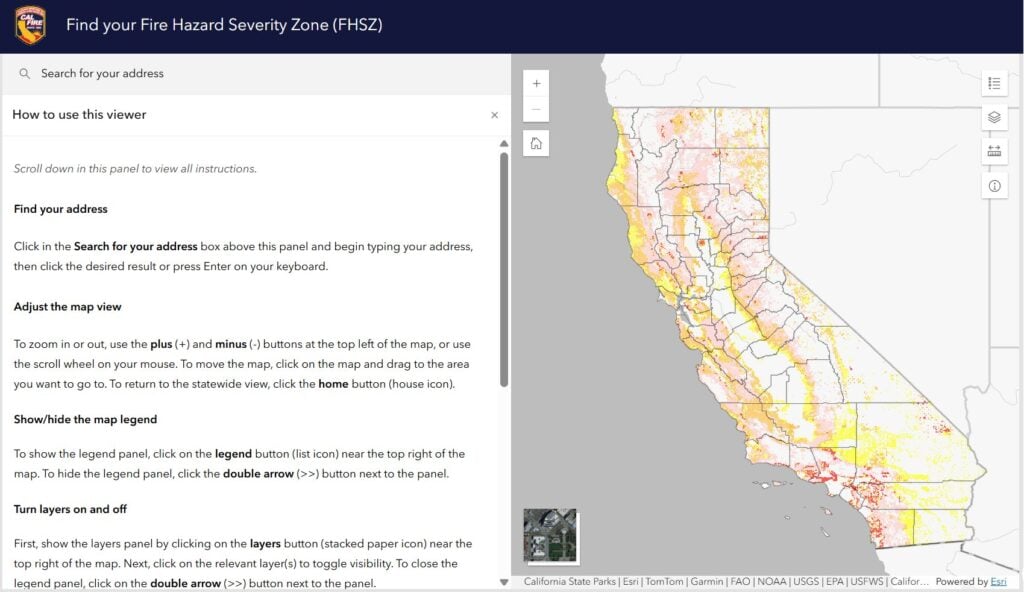
Many Bay Area hillside communities fall within CAL FIRE’s designated Very High Fire Hazard Severity Zones. CAL FIRE’s Fire Hazard Severity Zone viewer lets you enter your address to check your property’s exact zone status. Confirm your zone before finalizing plans.
The Real Cost of Rebuilding in California
Rebuilding costs go well beyond construction alone. Understanding the full picture upfront helps you plan a realistic budget.
What to budget for
Bay Area custom home construction typically runs $500 to $750 per square foot, with luxury builds exceeding $800 per square foot. For a full breakdown of what drives these costs, see our guide on how much it costs to build a house in California.
Beyond construction, plan for these additional costs:
- Debris removal, which has averaged more than $100,000 per property in recent California wildfires for homeowners who didn’t use the free state-managed program
- Permits, architectural drawings, and engineering fees
- Temporary housing while your home is rebuilt
- Fire-resistant materials, which typically add 12% to 18% to construction costs but can lower long-term insurance premiums
Property owners can avoid debris removal costs entirely by enrolling in the state-managed Consolidated Debris Removal Program through a Right-of-Entry form, which comes at no out-of-pocket cost.
Financial assistance available
Several programs can help bridge the gap between insurance payouts and total rebuild costs:
- SBA disaster loans for homeowners and renters to repair or replace disaster-damaged real estate and personal property
- FEMA Individual Assistance, available after a federally declared major disaster
- California’s CalAssist Mortgage Relief Program, which offers up to a full year of mortgage assistance, up to $100,000, for disaster-impacted homeowners
Rebuild or Start Fresh: The Decision Most Guides Skip
Not every homeowner should rebuild on the same lot. This deserves an honest look at both paths.
An honest look at both paths
Rebuilding preserves your community ties and lot value. But it means coordinating architects, engineers, contractors, and city agencies for months or years, often while displaced.
Buying new from a fully integrated builder offers a different path: a clear timeline, fixed pricing, and modern fire-resistant construction, without managing multiple vendors yourself.
California law gives homeowners who buy a replacement home instead of rebuilding the right to collect the same insurance benefits they would have received for rebuilding, including code upgrade coverage. The financial comparison between the two paths is closer than many homeowners assume.
Neither path is right for everyone. This section is here to help you see both clearly.
Questions worth asking before you decide
- Is this the home and location you’d choose today?
- Do you have the bandwidth to manage a multi-year construction project while displaced?
- Has your insurance settlement given you a realistic budget for the rebuild you want?
- Are there Bay Area communities with a lower fire risk profile that could offer a comparable lifestyle?
If you’re weighing new construction against buying existing, our guide on new construction vs. resale homes in the Bay Area can help.
If you’d like to explore what a new AL Home could look like for your family, we’re happy to have a no-pressure conversation. Book a free consultation.
What to Look For in A Builder
Choosing the right builder shapes your entire rebuild experience. A few checks upfront can save you months of frustration later.
Look for these qualities before signing anything:
- A valid California contractor license, verified at cslb.ca.gov
- Good standing with the Contractors State License Board, with license number listed on contracts, business cards, and advertisements
- Experience with wildfire rebuilds and fire hazard zone permitting
- Transparent, written timelines and cost estimates
- Familiarity with current fire-resistant construction requirements and local zone compliance
Get at least three bids, ask for references, and review contracts carefully before signing. Working with an unlicensed contractor in a declared disaster area is illegal in California, punishable as a felony. A quick license check protects your investment and your legal standing.
AL Homes builds across Silicon Valley and the Bay Area. Our fully integrated model brings land, design, construction, and coordination under one roof, removing one of the most common sources of delay. Explore available homes.
Conclusion
There’s no perfect roadmap for something this hard. Every rebuild looks different, shaped by your insurance, your lot, and your own timeline.
What matters most is moving forward with clear information and the right team around you. Whether you rebuild on the same lot or choose a new path entirely, you deserve a process that feels manageable, not overwhelming.
AL Homes is one option worth knowing about when you’re ready. When you’re ready, we’re here.
FAQs: Rebuilding After California Wildfires
How long does it take to rebuild a house after a wildfire in California?
A realistic timeline runs 18 to 36 months from lot clearance to move-in, covering debris removal, permitting, design, construction, and inspections.
How much does it cost to rebuild a home after a wildfire in California?
Bay Area construction typically runs $500 to $750 per square foot, plus debris removal, permits, and soft costs. Total budgets vary widely by home size and lot conditions.
Will insurance cover the full cost of rebuilding after a wildfire?
Not always. Many homeowners are underinsured, especially if rebuild costs have risen since their policy was last reviewed. Check your dwelling coverage limits and extended replacement cost provisions.
Do I need a permit to rebuild after a wildfire in California?
Yes. California law requires a building permit before reconstruction, even to rebuild the same home. Old permits and plans don’t carry over.
Should I rebuild or buy a new home after a wildfire?
It depends on your finances, timeline, and connection to your lot. California law lets you apply insurance benefits toward buying instead of rebuilding, so the financial gap is often smaller than expected.
What fire-resistant materials are required when rebuilding in California?
Homes in fire hazard zones need Class A roofing, ember-resistant vents, dual-pane tempered glazing, and non-combustible gutters, plus a 5-foot ember-resistant zone around the structure.
What financial assistance is available for California wildfire survivors?
FEMA Individual Assistance, SBA disaster loans, and California’s CalAssist Mortgage Relief Program can help bridge gaps between insurance payouts and rebuild costs.