Choosing a floor plan is only part of buying a new construction home. The lot can affect costs, sunlight, privacy, views, and daily comfort.
Two homesites on the same street may require different grading, drainage, or foundation work. Their placement can also change backyard shade, traffic exposure, and long-term resale appeal.
This guide covers:
- How slope, grading, soil, and seismic conditions affect construction
- How lot orientation and placement shape privacy, light, and outdoor living
- How to evaluate lot premiums based on lifestyle and long-term value
How To Evaluate A Lot Within A Planned Community
Evaluate each homesite using factors that affect both construction and daily life. Lot size and price provide a starting point, but they rarely tell the full story.
Review three areas before making a selection:
- Site conditions: Check the slope, soil, drainage, utilities, and foundation requirements.
- Daily livability: Consider sunlight, privacy, traffic, views, and outdoor space.
- Long-term value: Compare any lot premium with the features and resale advantages it provides.
Many of these details require engineering knowledge. A listing description may explain the price and location, but it cannot reveal every construction requirement.
At AL Homes, we manage land acquisition, grading, engineering, and construction. We can explain how each lot’s conditions affect the home, budget, and building plan.
Slope, Grading, And Site Prep Costs
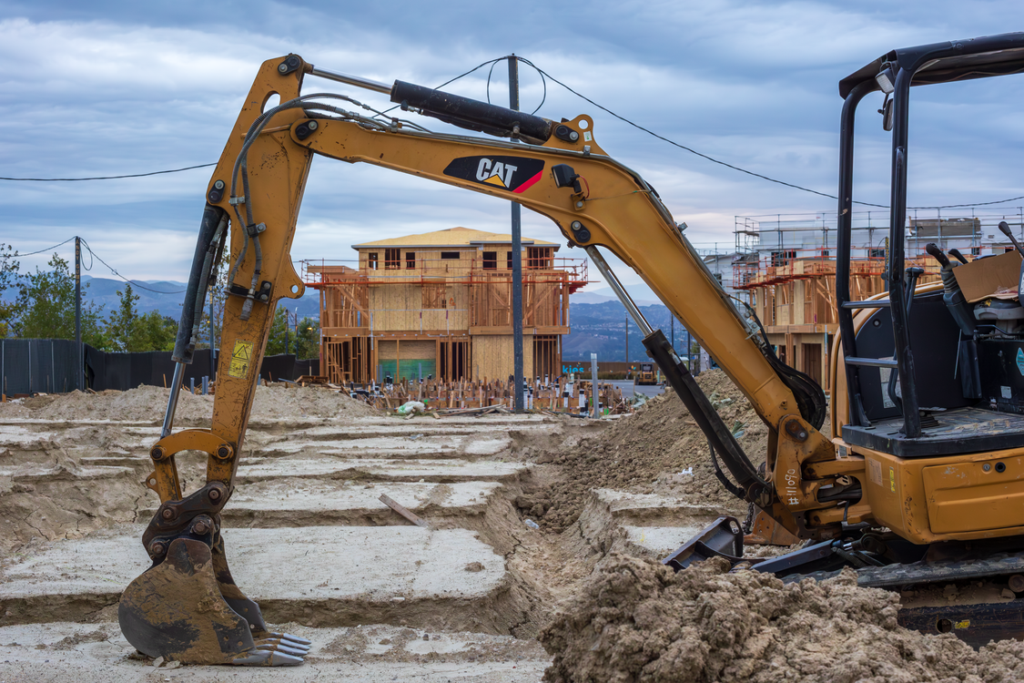
Once you know what to compare, begin with the lot’s physical conditions. Slope affects site preparation and foundation design before construction begins.
How slope affects your grading budget
Building on a sloped lot may require additional excavation, soil removal, retaining structures, or stepped foundations. Your lot grading cost may rise when crews must move more soil or use specialized equipment.
In the National Association of Home Builders’ 2024 national survey, excavation, foundations, concrete, retaining walls, and backfill represented 10% of construction costs. Actual costs vary by slope, soil, access, and foundation requirements.
In Bay Area hillside communities, these conditions can change between neighboring lots. One may support a standard foundation, while another needs deeper excavation.
Hidden site-prep costs buyers often miss
Grading is only one part of site preparation. Sloped lots may need retaining walls and drainage systems to manage soil and water.
Utility trenching can also increase costs. Water, sewer, electrical, and gas lines may require longer routes or deeper trenches. Limited equipment access can add labor and extend the schedule.
Our guide to finding land for a new home in the Bay Area explains other costs to review. These include utility access, zoning limits, soil conditions, and seismic requirements.
Sun Orientation And Lot Placement
After reviewing site-preparation needs, consider how the finished home will receive sunlight. Orientation affects natural light, indoor temperatures, solar performance, and outdoor comfort.
Check the roof, main windows, and backyard, not just the street-facing direction.
North-facing vs. south-facing lots
South-facing spaces generally receive more direct sunlight year-round. North-facing rooms receive softer light and less direct solar heat.
A north-facing lot does not always mean a darker home. The backyard and main living areas may face south. Nearby homes, trees, and hills can also affect sunlight.
How orientation affects energy costs and outdoor living
Orientation can influence energy use, although insulation, windows, shading, and HVAC efficiency also matter. The U.S. Department of Energy notes that solar panels typically perform best on south-facing roofs.
California requires solar systems on most new homes. Our guide to California’s solar requirements explains what buyers should know.
Orientation also shapes backyard use. Sunny yards may suit gardening or pools, while shaded yards can feel more comfortable during warm afternoons.
Corner Lot vs. Interior Lot vs. Cul-De-Sac
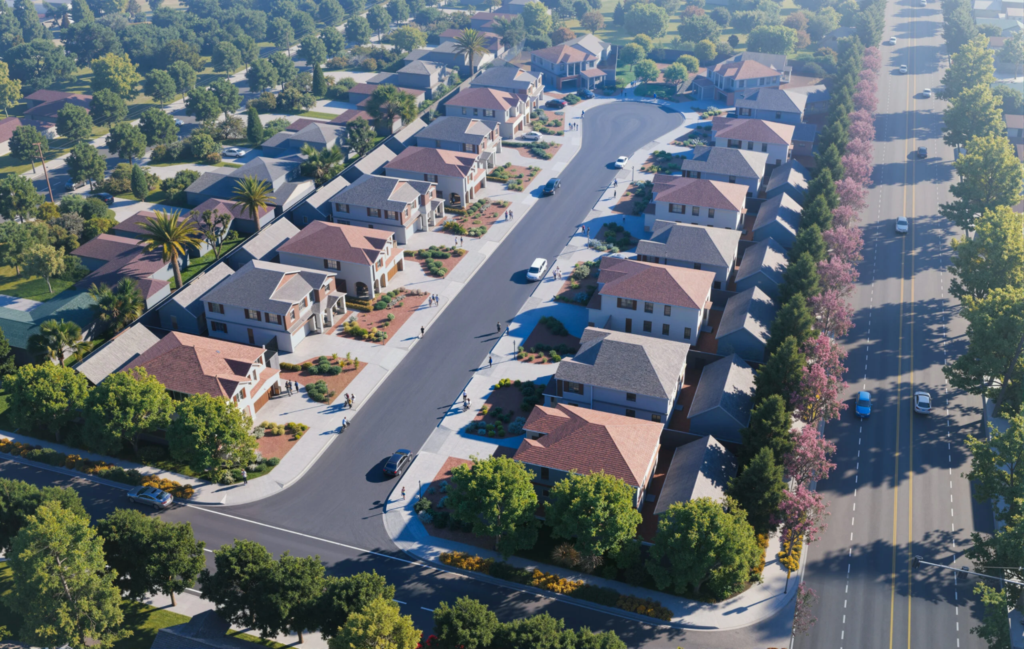
After checking how sunlight reaches the home, consider its position within the community. Placement affects privacy, traffic, yard space, and daily access.
Each option offers a different balance. The best choice depends on how you plan to use the home and outdoor areas.
Corner lot pros and cons
Corner lots often provide more light and outdoor space. However, their location creates a few trade-offs:
- Pros: Potentially larger yards, more windows, and fewer immediate neighbors
- Cons: More traffic exposure, less privacy, extra sidewalk maintenance, and possible side-yard restrictions
Interior lots usually offer more privacy and a simpler yard layout. Cul-de-sac lots often have less passing traffic, although their shapes and driveway access vary.
Which placement fits your lifestyle
Families with young children may prefer a cul-de-sac with less through traffic. Buyers who value privacy may prefer an interior lot away from entrances and shared amenities.
A corner lot may suit buyers who want more light, visibility, or outdoor space. However, nearby sidewalks and roads can make the yard feel more exposed.
Visit the community at different times before deciding. A scheduled tour lets you compare available lots and see how each placement feels in person.
Soil And Seismic Factors By Lot
Once a lot’s placement fits your lifestyle, consider what lies below the surface. Soil and seismic conditions can vary across short distances, even within one planned community.
Why soil conditions vary even within one community
Groundwater, slope, imported fill, and underlying rock can differ from lot to lot. These conditions influence drainage, foundation design, and seismic performance.
Community-wide studies provide helpful context, but they cannot replace a lot-specific investigation. Our Bay Area soil and seismic guide explains the regional risks and building requirements in more detail.
At AL Homes, we coordinate geotechnical review and foundation engineering within our construction process. This helps us address conditions identified for each homesite.
What a geotechnical report tells you
A geotechnical report documents the soil and groundwater conditions beneath a planned home. It also recommends foundation design.
San Mateo County’s guidelines reproduce the basic requirements from California Building Code Section 1803.6. A report may include:
- Soil investigation locations, boring logs, test results, and soil profiles
- Water table elevation and expected total or differential settlement
- Foundation recommendations covering bearing capacity, expansive soil, and liquefaction
Required testing depends on the property and proposed construction. Therefore, geotechnical report costs vary by lot. Buyers should request a lot-specific estimate.
Proximity To Shared Amenities And Views
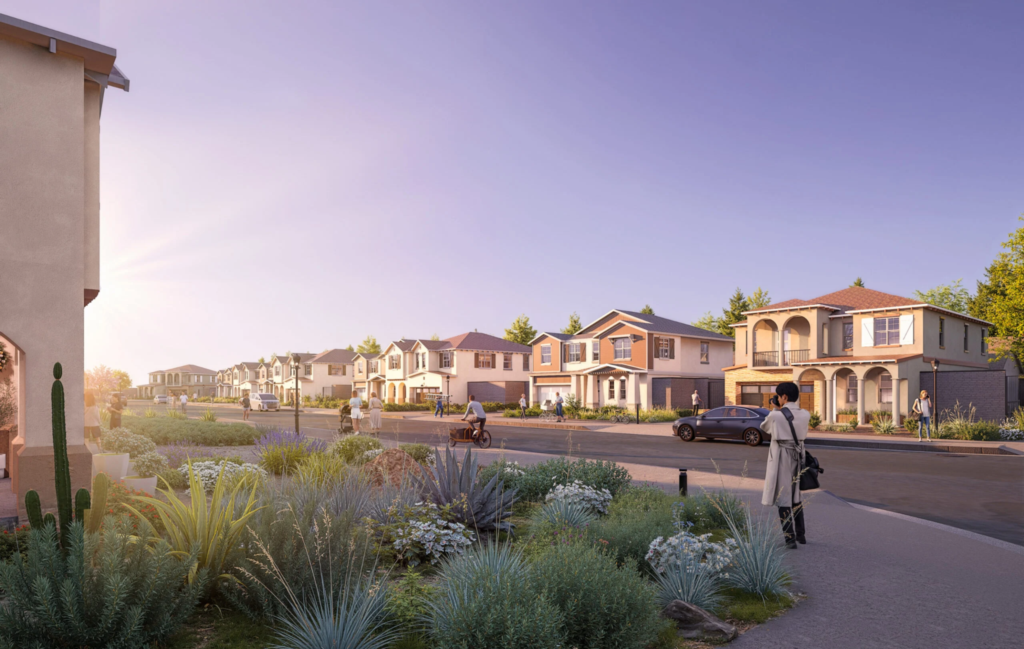
Technical conditions are only part of the decision. The lot’s surroundings will influence how living there feels each day.
Easy access to parks or shared spaces can improve convenience. However, nearby activity may also bring more foot traffic, noise, or reduced privacy.
Lot premiums for views, green space, and amenities
A lot premium is an additional charge for a homesite with desirable features. Common examples include open views, larger yards, green-space access, or quieter placement.
The premium may also reflect proximity to community amenities. A nearby park may appeal to families, while another buyer may prefer more privacy.
Our guide to new homes in San Jose explains how location differences affect the buying decision. The same principle applies within a planned community.
Is the lot premium worth it?
A lot premium is worth considering when the feature improves your daily life or supports long-term buyer appeal. Use three questions to assess it:
- Will you use or enjoy the feature regularly?
- Is the view or open space likely to remain?
- Does the premium fit comfortably within your total budget?
Review planned roads, future construction, and amenity locations before deciding. These details can change the value you receive from the premium.
Compare available homes and community homes to explore current options.
Choose Your Homesite With Confidence
After comparing the lot’s conditions, placement, and surroundings, consider how well everything supports your priorities. Choosing the home design and choosing the lot are separate decisions.
At AL Homes, we manage land acquisition, engineering, grading, and construction within one process. This allows us to provide lot-specific answers instead of general assumptions.
Schedule a tour to explore available lots and discuss which homesite fits your budget, lifestyle, and long-term plans.
FAQs: Choosing A Lot In A New Construction Community
What is a lot premium, and is it worth paying?
A lot premium is an added charge for features like views, larger yards, or quieter placement. It may be worthwhile when the feature supports your lifestyle and fits your budget.
Are corner lots more valuable than interior lots?
Corner lots are not always more valuable. Their price depends on yard size, privacy, traffic, setbacks, and local buyer preferences.
What’s the difference between a soil report and a geotechnical report?
The terms sometimes overlap. A geotechnical report usually provides broader guidance on soil, groundwater, settlement, seismic risks, and foundation design.
Is it more expensive to build on a sloped lot?
It can be. Sloped lots may require more excavation, specialized foundations, drainage systems, or retaining walls.
Can lot premiums be negotiated?
Sometimes. Negotiability depends on demand, available inventory, the community’s sales stage, and the builder’s pricing policies. Ask before reserving the lot.