If you want to build a custom home in Silicon Valley, you have probably hit the first wall already: there is almost no vacant land left. Most of the Bay Area’s prime real estate was developed decades ago, leaving only infill lots and small boutique parcels that rarely show up in a casual search.
Here is what you will learn in this guide:
- Where Bay Area buyers actually find land, including off-market deals
- How to confirm a lot is legally and physically buildable
- What zoning, utilities, and seismic conditions can add to your budget
- How land financing differs from a standard mortgage
- A faster path that skips the land search entirely
Why Finding Land in the Bay Area Is Harder Than It Looks
Most of Silicon Valley was developed decades ago, so very little raw land is available today. Buyers mostly find infill lots, teardown parcels, and small leftover pieces of land squeezed between existing homes. This scarcity keeps prices high and competition fierce, even for small parcels.
Santa Clara County had just 1.6 months of housing supply in May 2026, according to Lisa M. Lum Realtor. This level reflects the same tight conditions land buyers face across the region. Finding a workable lot in this kind of market takes patience, local knowledge, and a clear plan before you start searching.
Before you start searching, it helps to know exactly what you want to build. The type of home you have in mind shapes which lots will actually work.
Start With the Home You Want to Build
Before you search for a lot, get clear on the home you actually want. Size, layout, stories, and outdoor space all narrow down which parcels will work for you.
If you want an ADU or rental unit down the line, that changes what you need too. California law guarantees at least an 800-square-foot detached ADU with 4-foot side and rear setbacks, according to Apex Homes. Knowing this upfront helps you evaluate a lot’s real potential before you make an offer.
Define your must-haves before you search
Make a list of non-negotiables before you start browsing listings. Think about:
- Square footage
- Number of stories
- How much yard space matters to you
This list becomes your filter. It saves you from wasting time on lots that technically fit but do not match your vision.
Why defining your must-haves saves you money later
Setbacks, slope, and easements can shrink a lot’s buildable area more than buyers expect. A lot that looks large on paper may only support a much smaller footprint once these rules apply.
Confirming your must-haves early helps you spot these issues before you fall in love with the wrong lot. It also helps you budget more accurately from the start.
Where to Look for Land in the Bay Area
Once you know what you want to build, the search itself takes real strategy. Bay Area land rarely sits on the market long, so knowing where to look matters as much as knowing what to look for.
MLS and online listings
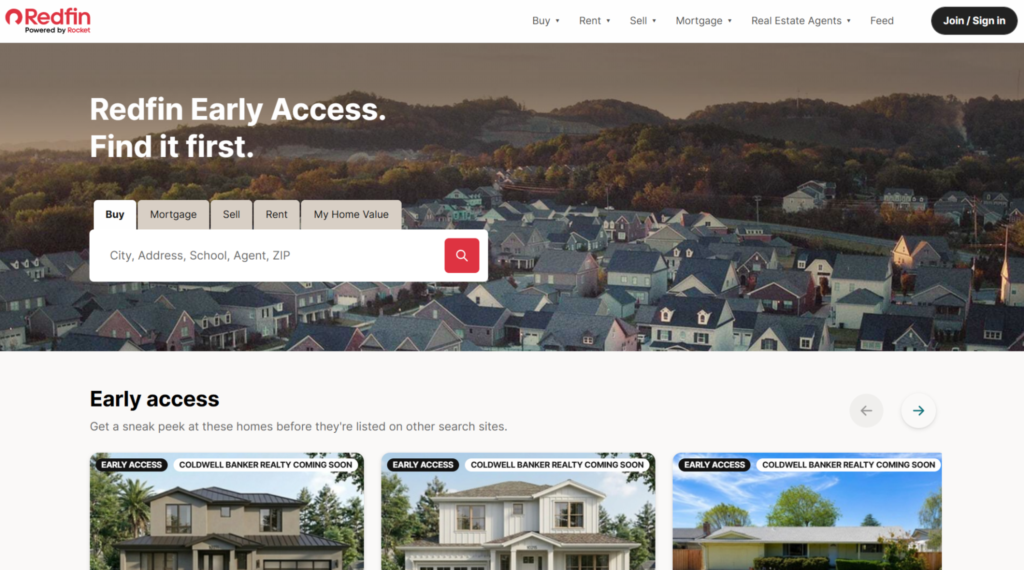
The MLS, or Multiple Listing Service, is a private database that licensed agents use to share listings with each other. Zillow, Redfin, and Realtor.com pull a copy of that data, though a licensed agent working directly from the MLS often sees new listings faster. All three platforms let you filter searches by land property type.
Starting your search here gives you a broad view of what is publicly available. It also helps you understand pricing trends in the neighborhoods you are targeting.
Off-market and word-of-mouth opportunities
Many of the best Bay Area lots never reach public listings at all. Local agents often hear about coming-soon or off-market opportunities before they go public.
Building relationships with local real estate agents can surface these hidden opportunities. Look for agents with a land-specific credential like the Accredited Land Consultant designation, which signals real expertise in land transactions.
Word of mouth also works well: ask friends who recently built, or talk to contractors working on nearby construction sites.
Expired listings are worth watching too. These are lots that did not sell during their listing period, often due to pricing rather than any issue with the land itself, which can mean less competition and more room to negotiate. Direct outreach to landowners is another path some buyers pursue successfully.
How AL Homes sources land buyers can’t find on their own
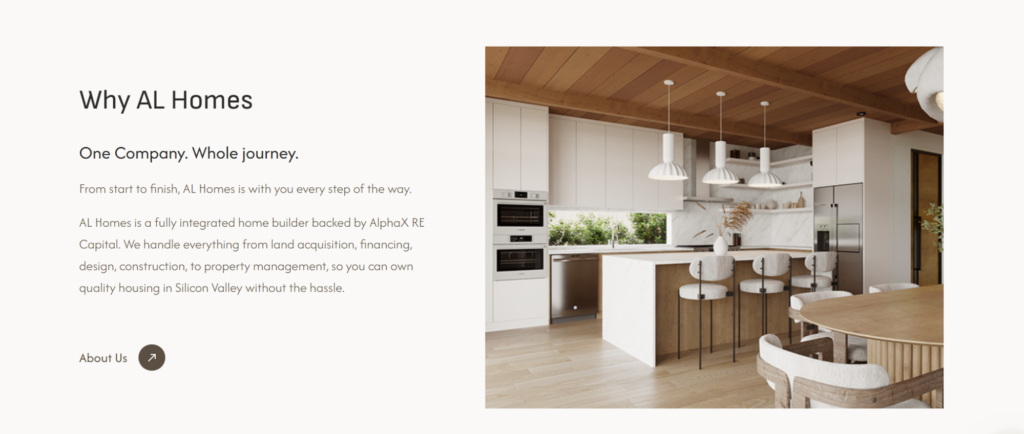
AL Homes’ in-house acquisition team actively sources land as part of the build process, giving buyers access to opportunities that never reach public listings. This means you can skip the separate land search entirely and start with lots already identified and vetted.
Learn more about AL Homes and how this integrated approach works.
Book a free consultation to see what land opportunities AL Homes currently has access to in your target area.
Confirm the Lot Is Actually Buildable
Finding a lot you like is only half the job. Before you make an offer, confirm it can legally and physically support the home you want to build.
Zoning and land-use rules
Check with the local planning department to confirm the lot allows single-family residential use. Setbacks, height limits, and any HOA or CC&R restrictions can all affect what you can build.
A lot that looks spacious on paper may only support a smaller home once these rules apply. Confirming zoning before you make an offer protects you from costly surprises later.
Utilities and site access
Verify that water, sewer or septic, power, and legal road access all reach the property. Nearby utilities are not the same as connected utilities, and connection costs can add up fast.
Some lots require extending utility lines a significant distance, adding both time and expense. Always confirm exact utility status with the seller or the local utility provider before closing.
Bay Area soil and seismic considerations
Soil conditions can vary from block to block across the Bay Area. Most structures fall under seismic categories that require a geotechnical investigation before permitting.
For lots in a mapped liquefaction zone, investigations typically cost $3,000 to $8,000, and foundation upgrades can add $20,000 or more, according to Custom Home.
AL Homes builds exclusively with local subcontractors who understand these region-specific soil and seismic requirements firsthand. That local expertise helps buyers avoid the costly guesswork of coordinating a separate engineer on their own.
Learn more in our guide on what to expect from the design-build process.
The Real Cost of Buying Land in the Bay Area
The purchase price is only the starting point. Site development and financing both add real costs that buyers often underestimate.
Purchase price vs. site development costs
Site preparation, including grading, clearing, and utility setup, typically runs $10,000 to $50,000 or more, according to TrueBuiltHome. Costs climb further when utilities sit far from the street.
These expenses often surprise buyers who budgeted only for the purchase price. A realistic site estimate before you buy protects your overall budget.
Financing a land purchase
Land loans work differently than a standard mortgage. Down payments typically run 20% to 50%, with rates 1% to 3% above home loans, according to Mortgage-Info.
Once you are ready to build, a construction loan pays off the land loan balance. This means buyers often manage two separate loan closings, two sets of fees, and two underwriting processes back to back.
AL Homes’ backing by AlphaX RE Capital gives buyers in-house financing guidance, covered further in our guide on building costs in California.
Why Bay Area Buyers Are Skipping the DIY Land Search
Coordinating a land purchase on your own means hiring a real estate agent, a land-use attorney, a geotechnical engineer, and a separate builder. Each professional works from their own timeline, and miscommunication between them often costs buyers time and money.
AL Homes replaces this fragmented process with a single point of accountability. The team manages land acquisition, zoning verification, soil and seismic evaluation, and permitting all under one roof.
This integrated approach removes the coordination gaps that typically slow down independent land buyers. Buyers get one team and one timeline instead of juggling several disconnected professionals.
Finding the Right Path to Your Bay Area Lot
Finding land is often the hardest part of building in the Bay Area. Between scarce inventory, complex zoning, and the coordination required across multiple professionals, the process can overwhelm even experienced buyers.
You do not have to navigate it alone. A builder with a single point of accountability can take on the search, the verification, and the paperwork so you don’t have to.
Book a free consultation to get started, whether you already have a lot in mind or are starting your search from scratch.
FAQs: How to Find Land to Build a New Home in the Bay Area
Is it cheaper to build or buy a home in the Bay Area?
Buying is often cheaper and faster upfront. Building costs more and takes longer but offers full customization and modern, energy-efficient systems.
How much land do I need to build a custom home?
It depends on your home size, setbacks, and local zoning. A geotechnical and zoning review helps confirm your lot’s real buildable area.
Do I need to already own land before contacting a builder?
No. AL Homes can help you find and evaluate land as part of the build process, so you don’t need land secured first.
How long does it take to find and buy land in the Bay Area?
It varies widely based on inventory and location. Working with a builder’s acquisition team can shorten this timeline considerably.