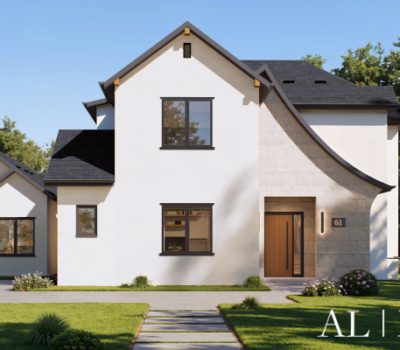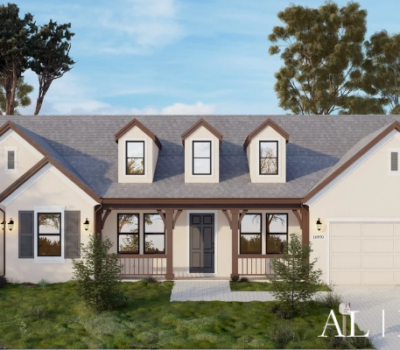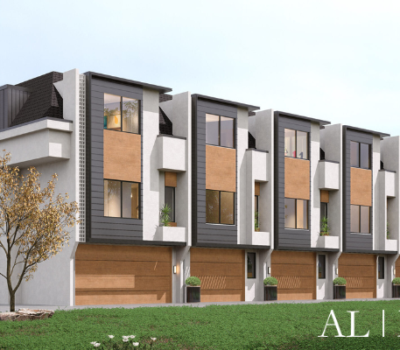
Buying new construction in the Bay Area means deciding on location, timing, and how much customization you want. Spec homes are one option you’ll encounter, especially when looking for a home already underway or ready to tour.
Before choosing one, it helps to understand the builder’s role and what you can still control as a buyer.
This guide covers:
- What a spec home is and how builders develop one
- Benefits, tradeoffs, and questions to ask before buying
- How spec homes compare with custom and quick move-in homes
What Is A Spec Home?
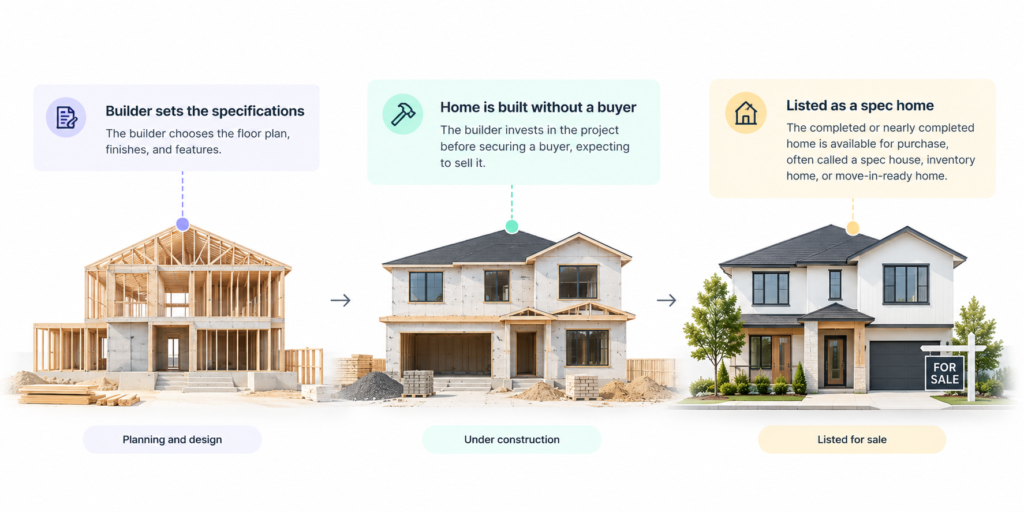
A spec home is a new home a builder develops without a buyer under contract, with the expectation of selling it. The name comes from “speculation,” because the builder invests in the project before securing a buyer.
The builder sets the home’s specifications, including its floor plan, finishes, and features. Buyers who purchase early may still have some finish choices, depending on the builder and construction stage.
You’ll also encounter related terms:
- Spec house: Another name for a spec home.
- Inventory home: A builder-owned home available for purchase, potentially at different construction stages.
- Move-in-ready or quick move-in home: Terms builders use for completed or nearly completed homes. Confirm the actual completion and occupancy dates.
Spec homes are new construction. However, a spec home listed for sale may still be under construction, so confirm its expected completion date.
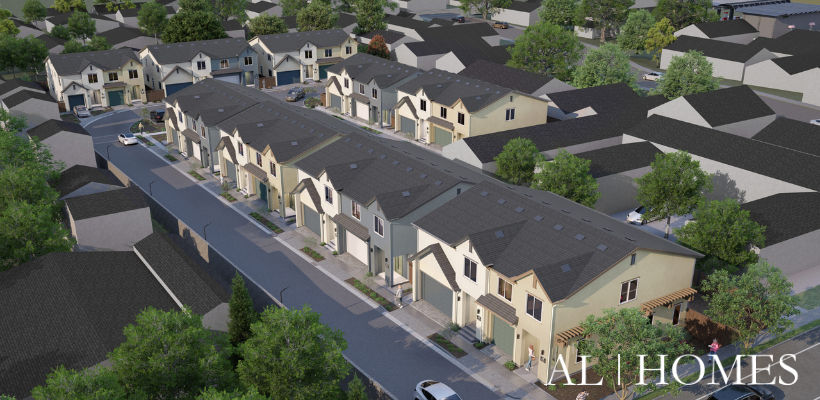
Smaller communities in Silicon Valley
A spec home doesn’t have to belong to a large subdivision. The term describes a builder starting construction without a buyer, rather than a particular community size.
AL Homes’ smaller communities illustrate the local development scale. Examples include:
Compare each home’s layout, lot, finishes, and ownership structure carefully. A similar appearance or community setting doesn’t mean you’re buying the same type of property.
How Builders Plan And Build A Spec Home
A spec home builder develops the property before securing a buyer. The main stages include:
- Land acquisition: Find a site and evaluate its zoning, access, and development potential. Our guide to finding land in the Bay Area explains what this involves.
- Design: Establish the floor plan, finishes, and features rather than working from an individual buyer’s selections.
- Engineering and permitting: Prepare site-specific plans and obtain the necessary approvals before construction.
- Construction and sale: Build the home and offer it for purchase during construction or after completion.
Permitting follows local procedures. Sunnyvale’s new-home checklist outlines required application documents. Cupertino’s permit guide explains its application and review process. Builders must follow the relevant city’s requirements. Site conditions also shape the engineering work, including foundation design.
California’s applicable energy code governs efficiency and solar requirements, with exceptions for certain projects. The permit application date determines which code edition applies, rather than the home’s completion year.
AL Homes describes a fully integrated approach covering land acquisition, geotechnical review, and foundation engineering. Its soil and seismic guide explains how one team manages these stages, reducing coordination work for buyers.
You can buy a spec home during construction or after completion. Before committing, confirm the expected completion date and ask which finishes, if any, you can still choose.
Pros Of Buying A Spec Home In The Bay Area
A spec home can simplify buying new construction, especially when the property is complete or nearing completion. Key benefits include:
- Less waiting: Construction already underway can shorten your remaining wait compared with starting a custom build. This can help with relocation planning.
- A home you can evaluate: With a completed home, you can walk through the actual rooms and inspect the finishes before buying.
- An established asking price: You can review the price and included features upfront, then confirm upgrades, fees, and closing costs.
- Potentially simpler rate-lock planning: A home near completion may fit your lender’s rate-lock period. Confirm that the lock covers your closing date and ask about extension fees.
- Potential builder incentives: Ask about credits toward closing costs or temporary mortgage rate buydowns.
- New construction and warranty coverage: You receive a newly built home, and most new homes include a limited builder warranty. Review its coverage, exclusions, and claims process before purchasing.
Features such as solar panels and EV charging provisions depend on the home’s specifications and applicable requirements. Ask what’s installed and included in the purchase price.
Cons Of Buying A Spec Home And What To Watch For
The convenience of a spec home comes with trade-offs, particularly if you have specific design preferences. Consider these limitations:
- Limited customization: Once materials are ordered or installed, changing finishes may be costly or unavailable. Confirm your options before signing.
- A fixed lot and layout: The builder has already chosen the site and home’s orientation. Evaluate sunlight, privacy, outdoor space, and street exposure.
- Builder quality needs scrutiny: New construction still deserves careful evaluation. Review completed projects, arrange an independent inspection, and identify who handles warranty claims.
- Negotiation isn’t guaranteed: A finished home doesn’t automatically come with a discount. Compare similar properties and ask about price flexibility or incentives.
If construction is ongoing, treat the projected completion date as an estimate. Ask how the purchase agreement addresses delays before making firm moving arrangements.
Questions to ask before buying a spec home
Use these questions to clarify what you’re buying and get important commitments in writing:
- What does the price include? Request an itemized list covering finishes, appliances, landscaping, solar equipment, and any optional upgrades.
- What can I still choose? Confirm the construction stage, selection deadlines, and charges for changes.
- When will the home be ready? Ask about remaining work, inspections, occupancy approval, and how the contract handles delays.
- Who handles warranty service? Request the written warranty, coverage periods, exclusions, and instructions for reporting problems.
- Can I review the engineering and permit records? Ask who prepared the soil report and foundation design, and request relevant documentation.
- Can I arrange an independent inspection? Confirm access and how the builder will address identified issues before closing.
- Are there closing incentives? Get eligibility requirements, deadlines, and any financing conditions in writing.
Spec Home Vs. Custom Home Vs. Quick Move-In Home
These terms describe different aspects of buying new construction. The key differences are who directs the design and how far construction has progressed.
Spec home
The builder chooses the design and starts construction before a buyer is under contract. You can buy during construction or after completion, with remaining finish choices depending on the project’s stage.
Custom home
You commission a home tailored to your preferences, typically on land you own or purchase. You have more control over the design, but must allow time for planning, approvals, and construction.
Costs depend on the site, size, materials, and complexity. A custom home isn’t automatically more expensive than every spec home.
Quick move-in home
Builders generally use this marketing term for homes that are complete or nearing completion. Confirm the actual closing timeline, since “quick move-in” doesn’t guarantee immediate occupancy.
A spec home may qualify as a quick move-in home once construction is sufficiently advanced. However, a spec home in early construction won’t offer the same timeline.
Is A Spec Home Right For You?
A spec home may suit you if you want new construction without directing every design decision. It’s especially worth considering when:
- You like the home’s existing layout, location, and finishes.
- You want to avoid coordinating land acquisition, design, and construction.
- You need a shorter construction timeline, especially if the home is completed or nearly complete.
A custom build may suit you better if a particular lot or personalized layout takes priority. Compare available properties against your essentials before deciding which approach fits.
Already own a home? AL Homes’ Buy Now, Sell Later program helps eligible buyers purchase and move before selling their current property. Availability depends on the home, program requirements, and financing approval. Our guide to buying your next home before selling explains the process.
Browse available AL Homes to compare locations, layouts, and construction stages against your priorities.
Take The Next Step With AL Homes
The right spec home should fit your daily life and your buying timeline. A finished interior can make a strong first impression, but consider how the home will serve you long term.
AL Homes can help you explore new construction options across the Bay Area.
Book a free consultation to discuss your priorities, ask about specific properties, and understand the next steps toward buying.
FAQs: Spec Homes
What is a spec house?
A spec house is a newly built home started without a buyer under contract. The builder selects its design and features, then sells it during construction or after completion.
Why is it called a spec home?
“Spec” is short for speculative. The builder invests in land and construction expecting to find a buyer, rather than building for someone already under contract.
Are spec homes cheaper?
Sometimes, but savings aren’t guaranteed. Compare homes with similar locations, sizes, lots, and finishes. Include upgrades, fees, and financing costs when comparing a spec home with a custom build.
How do you finance a spec home?
A completed spec home can generally be financed with a purchase mortgage, subject to borrower and property approval. For unfinished homes, confirm your lender’s completion requirements and closing timeline.
Is a spec home better than a custom home?
A spec home may suit buyers who prefer fewer design decisions and a home already underway. A custom home offers more control over the design. The better choice depends on your priorities, budget, and timeline.