Bay Area soil and seismic rules exist for good reason. This region sits on some of the most geologically varied ground in California, which shapes how every new home is engineered.
If you are still early in your search, our Home Buying Process in California guide covers the broader steps before you get to this stage.
Here is what this guide covers:
- What “soil and seismic requirements” actually mean for buyers
- Where seismic and liquefaction risks run higher across the region
- The codes that require geotechnical work before construction starts
- How new construction differs from custom building on this front
- Questions to ask before you commit to a home or a lot
What “Soil & Seismic Requirements” Actually Mean in the Bay Area
Why local geology drives local building rules
Most parts of the country deal with fairly consistent soil conditions across a metro area. The Bay Area does not work that way. Much of the region has also been developed over time, so native soils are often no longer present and have been reworked with imported fill from decades of earthwork.
That is why California building codes require site-specific evaluation rather than generic standards. A foundation engineered for bedrock in the Los Altos Hills would not hold up the same way on filled land near the bay.
Where the Bay Area’s Seismic and Soil Risks Are Highest
Not every Bay Area lot carries the same level of seismic or soil risk. Some neighborhoods sit on stable ground with minimal concern, while others require closer engineering attention before anything gets built. Knowing the difference helps buyers understand what a builder’s due diligence actually involves.
California does not leave this to guesswork. According to the California Geological Survey, the Seismic Hazards Mapping Act directs the state to identify areas prone to liquefaction, landslides, and amplified ground shaking. Cities and counties must use these maps in their land use planning and permitting decisions.
Buyers can check a specific address using the <state’s mapping tool. It shows whether a property sits inside a designated seismic hazard zone requiring further study.

Areas with higher liquefaction risk
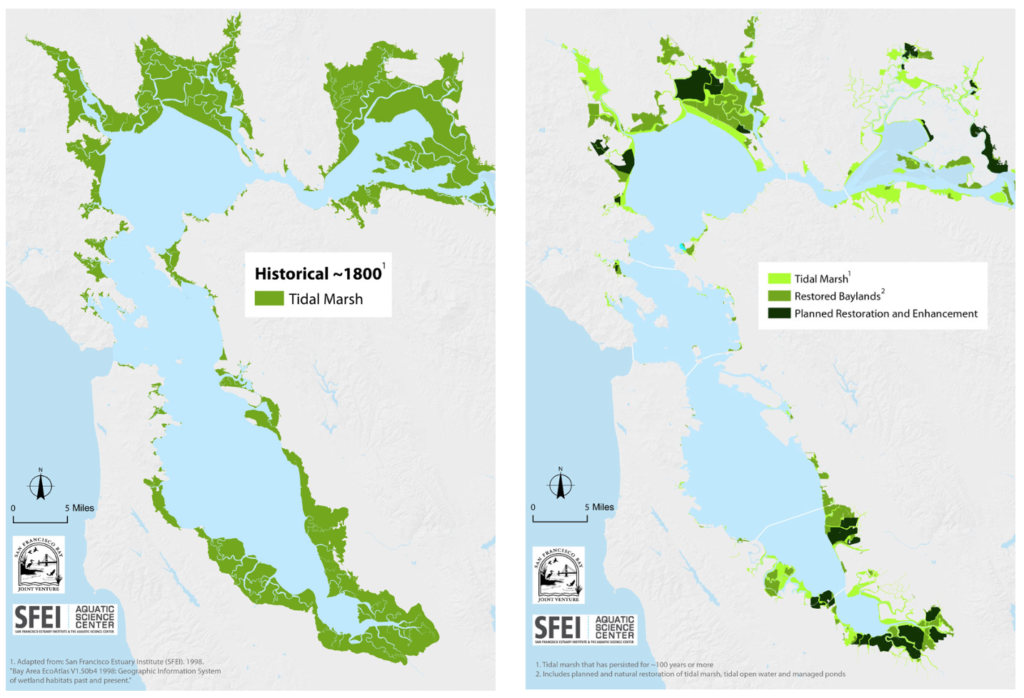
Liquefaction happens when saturated, loosely packed soil loses strength during strong shaking and behaves more like a liquid. According to KQED, large parts of the Bay Area sit on fill placed over former marshland and tidal wetlands, particularly along the shoreline.
Research from the U.S. Geological Survey points to a few specific higher-risk pockets:
- Greater Oakland area: Sandy artificial fill placed along the bay margin in the early 1900s raises liquefaction probability during a repeat Hayward Fault earthquake
- Northern Santa Clara Valley: Land along Coyote Creek and Guadalupe Creek shows higher liquefaction probability than the surrounding flat terrain
- Shoreline and former marshland: Areas built on fill over tidal wetlands tend to carry more risk than inland, bedrock-adjacent neighborhoods
This does not mean every shoreline property is unsafe or every inland property is risk-free. It means location genuinely affects the type of engineering a foundation needs.
The Rules Builders Must Follow (That Buyers Rarely See)
Before a shovel ever hits the ground, California law requires builders to answer a basic question: can this soil safely support this structure? That question drives a formal process most buyers never see or think about.
The code behind the requirement
California Building Code Section 1803A.5.11 requires a geotechnical investigation for any structure assigned to Seismic Design Category C, D, E, or F. According to UpCodes, this covers most construction across the state, since most of California falls into these higher seismic categories.
Local jurisdictions can set their own thresholds on top of the state code. According to Santa Clara County’s Geotechnical Reports policy, a geotechnical report is required for new structures or additions with a covered area larger than 1,200 square feet.
Requirements like this vary by city and county, which is part of why local building knowledge matters so much in this region.
What’s actually inside a geotechnical report
A geotechnical report is not a quick formality. According to UpCodes, CBC Section 1803A.7 requires it to include:
- Soil boring and penetration test logs, plus a plot showing where the investigation took place
- Groundwater elevation, including historic high groundwater levels tied to liquefaction risk
- Foundation type and design recommendations, covering bearing capacity, expansive soil mitigation, and liquefaction mitigation
- Expected settlement, both total and differential, for the specific site
This is the invisible work that happens long before a buyer ever tours a finished home. By the time a property is listed, the engineering decisions behind the foundation have already been made.
What This Means If You’re Buying New Construction (Instead of Building Custom)
Understanding the code is one thing. Understanding who actually handles it is another. That distinction matters a lot depending on how you are buying your next home.
Custom build vs. new construction: who handles the engineering
If you buy land and build a custom home, this evaluation becomes your responsibility. You or your architect typically hire a geotechnical engineer directly, then coordinate that report with a separate structural engineer and your contractor.
With new construction, the situation is different. The engineering already happened before the home was ever built or listed for sale. The buyer steps into a process a builder has already managed from the ground up.
If you are buying for the first time, our First-Time Buyer’s Guide to Bay Area New Construction covers the rest of that process in more depth.
How AL Homes handles it in-house
AL Homes is a fully integrated builder, which means land acquisition, geotechnical review, and foundation engineering all happen internally before a home reaches the market. One accountable team manages the process from start to finish.
That structure removes a common pain point in Bay Area home buying. Buyers do not need to coordinate a separate soils engineer, structural engineer, and contractor on their own. The work is already done by the time a home is available to tour.
For a broader look at how this integrated approach shapes the entire buying process, see our guide on Bay Area new homes.
Questions Worth Asking Before You Buy
Even with a builder handling the engineering, it helps to ask a few direct questions before committing to a home or a lot. These questions are not meant to catch anyone off guard. They simply confirm the groundwork is done.
- Has this lot or community been geotechnically evaluated? A straightforward yes should come with documentation the builder can point to.
- Was the foundation engineered specifically for this site’s soil and seismic category? Generic foundation plans should raise questions, since Bay Area sites vary so much.
- What does the builder’s warranty cover if a structural issue surfaces later? AL Homes backs every home with a 10-year structural warranty, which is worth understanding before you sign anything.
Asking these questions takes a few minutes and gives real peace of mind. A builder confident in their process should have no trouble answering clearly.
Building On Solid Ground: Why This Process Protects You
Bay Area soil and seismic rules exist to protect buyers, not to complicate the search. Local geology varies, but California law already accounts for it through mapping, code requirements, and mandatory geotechnical review.
The real question is not whether these risks exist. It is whether the builder behind your home already addressed them properly. With a fully integrated builder like AL Homes, that evaluation happens internally, long before a home is ever listed.
You should never have to interpret a geotechnical report on your own or track down separate engineers to feel confident in your foundation. The right builder makes that invisible, so you can focus on the home itself.
If you are ready to learn more about the engineering behind any AL Homes community, book a free consultation with our team today.
Disclaimer: This article is provided for general informational purposes only and does not constitute engineering, legal, or professional advice. Building codes, hazard zones, and regulatory requirements can change and may vary by location, so always confirm current details with your local building department or a licensed professional. AL Homes makes no warranty as to the completeness or current accuracy of the information described here.
FAQs: Bay Area Soil & Seismic Requirements
Is my Bay Area home at risk from soil liquefaction?
Risk depends on location. Shoreline and former marshland areas carry higher liquefaction risk than inland, bedrock-adjacent neighborhoods. Check your address on the state’s EQ Zapp tool
Do all new homes in California need a geotechnical report?
Most do. CBC Section 1803A.5.11 requires a geotechnical investigation for structures in Seismic Design Categories C through F, which covers most of the state.
How do I know if my lot is in a seismic hazard zone?
Use the California Geological Survey’s to search by address and see if your lot falls within a mapped zone.